

Sclerotherapy & Spider Vein Treatment in Towaco, NJ (Montville Township, Morris County)

Spider veins and small varicose veins are treated with sclerotherapy at Montville Pain & Veins, 624 Main Rd, Suite 2B, Towaco, NJ 07082 ((973) 397-5304), in Towaco, Montville Township, Morris County. The treating physician is Dr. Donna D’Alessio, MD, board-certified in Physical Medicine & Rehabilitation, who examines the legs first and checks by ultrasound, where the pattern suggests it, for a larger vein feeding them.

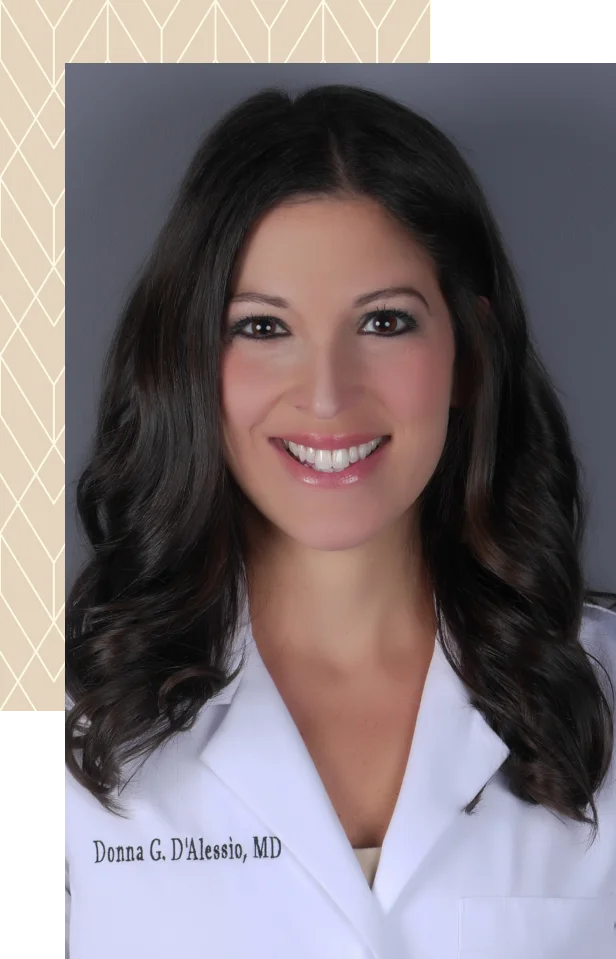
Dr. Donna D’Alessio, MDDonna D’Alessio, MDBoard-certified, Physical Medicine & Rehabilitation

Who does the treatment

Sclerotherapy at Montville Pain & Veins is done under Dr. Donna D’Alessio, MD, board-certified in Physical Medicine & Rehabilitation and formerly Chief Resident in PM&R at Mount Sinai Hospital. Meet her on our team page.

She looks at the legs before anything is injected. For straightforward spider veins the examination is the assessment. Where there are signs of something underneath (clusters around the ankle, aching or heavy legs, veins that came back after earlier treatment, a strong family history), she maps the leg with a duplex ultrasound first. Spider veins fed by a refluxing vein that is left untreated tend to refill, and the scan is how that is found.

Where: Montville Pain & Veins, 624 Main Rd Suite 2B, Towaco (Montville Township), Morris County, NJ.

What sclerotherapy is

A very fine needle delivers a small amount of sclerosant solution into the vein. The solution irritates the lining, the walls seal together, and over the following weeks the body absorbs the closed vein. Blood reroutes through healthy veins nearby. It has been the standard treatment for spider veins and small varicose veins for decades. The full procedure page is sclerotherapy.

The session

  • About 30 minutes
  • No anaesthetic, no incision, no stitches
  • Compression stockings go on at the end, and you walk out

What does sclerotherapy cost?

Pricing is given at the consultation. The cost depends on how many veins there are and how many sessions that is likely to take, which cannot be known until the legs have been examined. Spider vein treatment on its own is usually cosmetic and paid by the patient; where an ultrasound shows an underlying refluxing vein, treating that vein is a medical question and is often covered. Either way, you are told the figure, and what your plan does or does not cover, before anything is booked. See insurance and fees.

Afterwards

Treated veins usually look darker and bruised for two to four weeks; that is the vein closing, not a complication. They then fade over roughly four to eight weeks. Occasionally a small brown mark lasts some months before clearing, and keeping sun off a healing vein makes that less likely.

How many sessions

That depends on how much there is to treat. Many people are substantially clearer after one or two sessions. Dr. D’Alessio gives her estimate after the examination, and no result is promised before it.

Questions patients ask

Who performs sclerotherapy at Montville Pain & Veins?

Dr. Donna D’Alessio, MD, board-certified in Physical Medicine & Rehabilitation and formerly Chief Resident in PM&R at Mount Sinai Hospital, treats spider veins with sclerotherapy at Montville Pain & Veins, 624 Main Rd, Suite 2B, Towaco, NJ 07082. She examines the legs first and, where the pattern or symptoms suggest a larger vein underneath, maps the leg with a duplex ultrasound before any injection. Call (973) 397-5304.

Where can I get spider veins removed near Towaco or Montville, NJ?

Montville Pain & Veins, at 624 Main Rd, Suite 2B, Towaco, NJ 07082 in Towaco, Montville Township, Morris County, treats spider veins and small varicose veins with sclerotherapy in the office. A session takes about 30 minutes, uses no anaesthetic, and you return to normal activity the same day. Call (973) 397-5304.

What does sclerotherapy cost?

The practice gives pricing at the consultation, once Dr. D’Alessio has examined your legs, because the cost depends on how many veins there are to treat and how many sessions that is likely to take. Sclerotherapy for spider veins alone is usually considered cosmetic, so you will be told the figure before you commit to anything. Call (973) 397-5304.

How many sessions are typical?

It depends on how much there is to treat. Many people are substantially clearer after one or two sessions, and larger vessels can need a second. Dr. D’Alessio gives an estimate after examining your legs, not before, and no particular result can be promised in advance.

Is sclerotherapy cosmetic, or is it covered by insurance?

Sclerotherapy for spider veins alone is usually considered cosmetic and not covered. Where an ultrasound shows underlying venous reflux, treatment of that vein is a separate medical question and is often covered. The practice checks your benefits and tells you which applies to you before you commit to anything.

What is recovery like after sclerotherapy?

There is no downtime: you walk out and carry on with your day. Wear the compression stockings you are given for the period specified, usually continuously for the first day and then during the day for about a week. Walk, avoid hot baths, saunas and direct sun on the area for about 48 hours, and skip strenuous exercise for a few days. Treated veins usually look darker and bruised for two to four weeks before they fade.

Dr. Donna D’Alessio, MD

Your physician

Dr. Donna D’Alessio

Your consultation is with Dr. D’Alessio herself. She examines you, tells you what she thinks is causing it, and what she would — and would not — do about it.

  • Board certificationPhysical Medicine & Rehabilitation
  • TrainingChief Resident, PM&R, Mount Sinai Hospital
  • Vein proceduresThousands performed
  • ApproachNon-surgical, in the office
Mount Sinai Hospital — Chief Residency, Physical Medicine & RehabilitationNJ Top Docs
Read her background

Tell us what’s going on

A consultation is a conversation and an examination, not a sales appointment. Dr. D’Alessio will tell you what she thinks is causing it, what can be done about it, and — when that is the honest answer — that you do not need a procedure.
